VALUES Workshop for Coaches and Sports Professionals Takes Place in Slovenia
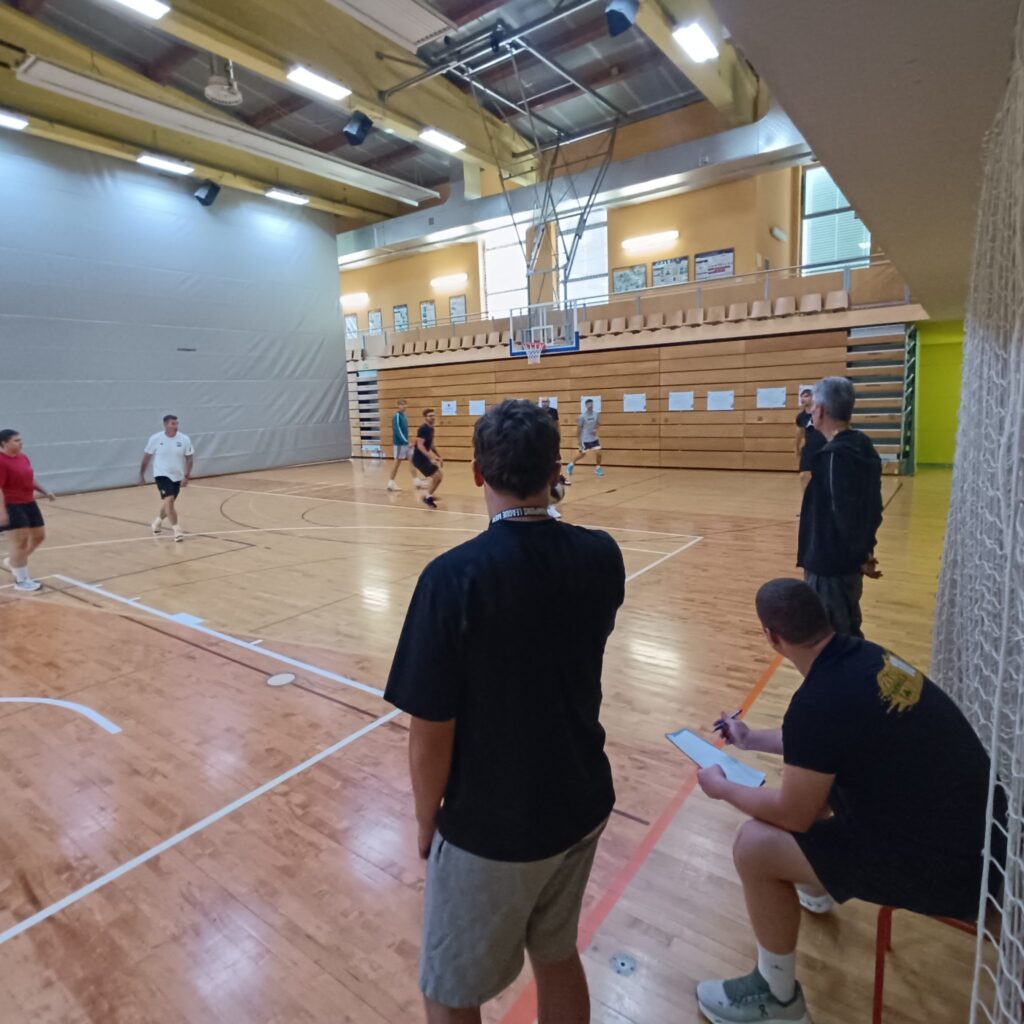
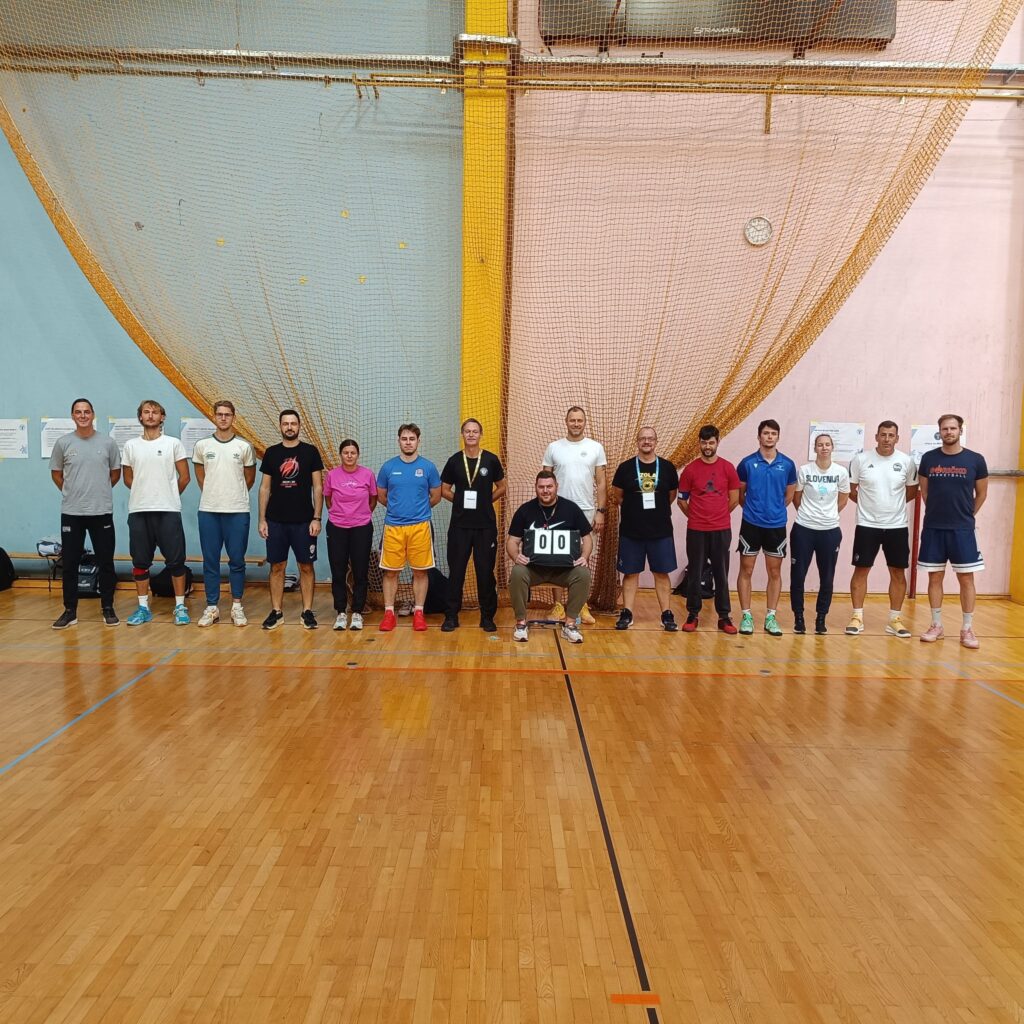
On 12–13 September 2026, a workshop within the European project VALUES – Virtues and Leadership Unlocked through Engaging Sport took place in Postojna, Slovenia, as part of a basketball coaching clinic.
The workshop’s central message was simple: a coach is not merely someone who teaches sporting skills, but also a role model for the values they want their athletes to develop.
The workshop was led by sports psychologists Blaž Zagorc and Tjaša Gadža, who introduced participants to practical ways of integrating values into everyday basketball training.
Learning Values Through Play
The participants, who work as coaches of young basketball players, were divided into groups and assigned different roles, including referee, coach and captain or player. Through games and real-life scenarios, they tried out exercises developed as part of the VALUES methodology.
The aim of the workshop was to demonstrate that values do not need to be addressed as a separate topic or taught through standalone lectures. On the contrary, values can become an integral part of the game itself, influencing decisions, communication and relationships between players.
A practical approach and an exercise were presented for each of the values addressed by the VALUES project.
How Can Values Be Integrated into Every Training Session?
One of the key takeaways from the workshop was that integrating values into sports activities does not require an additional training session or a separate lecture. Values can become part of regular training.
For example, coaches can:
- Choose one value and one VALUES exercise for each training session.
- Integrate the exercise into a regular basketball training session.
- Briefly explain the rules of the game, along with the additional VALUES rule.
- Give players the opportunity to experience the value through play and real-life situations.
- Adapt the exercise to the players’ age, skill level, group size and training objectives.
- Observe players’ behaviour, communication, cooperation and reactions during the activity.
- Conclude the session with a short reflection: What happened? Why does it matter? What will we do differently next time?
- Encourage players to apply these values beyond sport — at school, at home and in everyday life.
Throughout this process, the coach plays a particularly important role. If we want young athletes to develop respect, fair play, cooperation and responsibility, they must first see these values reflected in the behaviour of the adults who guide them.
A coach is therefore much more than a teacher of technique and tactics. They are a role model, a leader and an important influence on the sporting environment, helping young people learn how to respond to victory and defeat, mistakes and success, conflict and cooperation.